
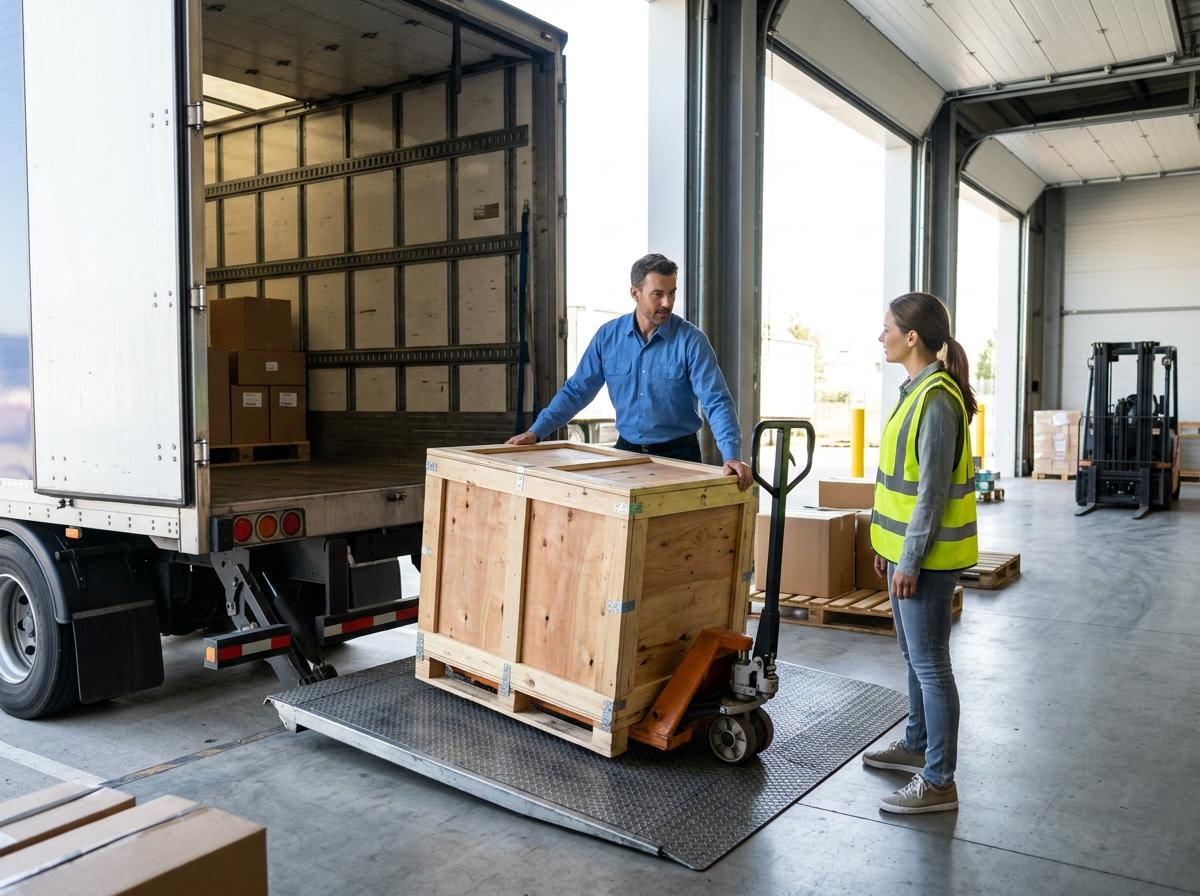
When shipping valuable cargo, businesses face a critical decision: which less-than-truckload (LTL) shipping model offers the best protection for their goods? The industry primarily offers two distinct approaches: the traditional hub-and-spoke system and the more streamlined direct LTL method. Understanding the fundamental differences between these models is crucial for safeguarding your shipments. EDI Express Inc. understands that every package holds immense value, and its journey from origin to destination should be as secure and efficient as possible. This post will delve into how each system impacts the safety and integrity of your freight.

The Hub-and-Spoke Model: More Touchpoints, More Risk?
The traditional hub-and-spoke LTL system operates much like an airline network. Freight is collected from various origins, routed to a central terminal (the "hub"), sorted, and then dispatched to another hub or directly to its final destination. This process often involves multiple transfers, known as "break bulks," where cargo is unloaded, re-sorted, and reloaded onto different trucks. While efficient for consolidating diverse shipments, each handling point introduces a potential risk for damage, misplacement, or delay. The more times your package is touched, the higher the likelihood of an issue arising.
The Direct LTL Advantage: Streamlined Security
In contrast, the direct LTL model prioritizes minimal handling and direct transit. Shipments are loaded onto a single truck, often with dedicated teams, and travel directly from the origin to the destination without intermediate stops at consolidation hubs. This significantly reduces the number of times freight is handled. Fewer transfers mean fewer opportunities for accidental damage, lost items, or security breaches. This approach inherently builds a stronger chain of custody, ensuring that once your cargo is loaded, it remains untouched until it reaches its final recipient.
Unbeatable Speed and Reliability for Cargo Integrity
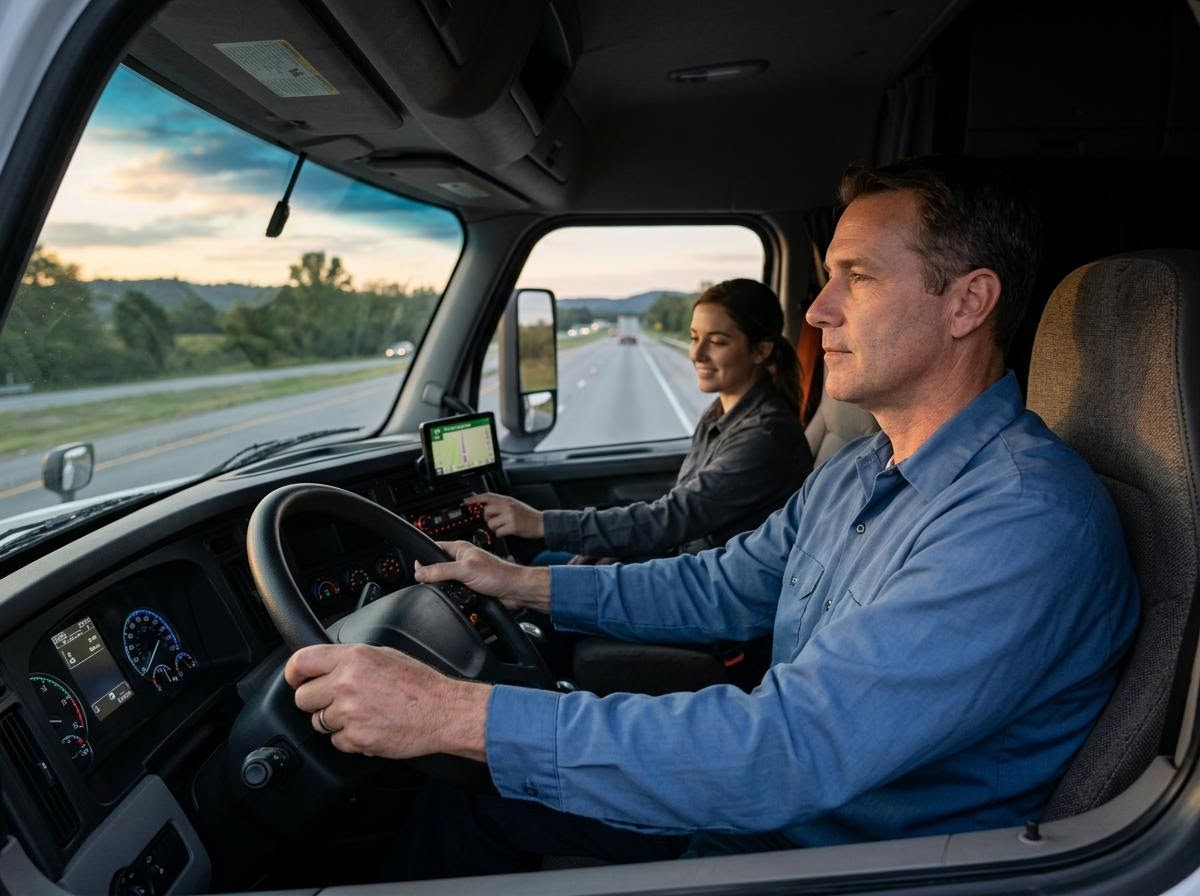
Beyond just reducing physical handling, the direct LTL model also contributes to cargo safety through its impact on transit times and overall reliability. When freight moves through a hub-and-spoke system, it can sit at terminals awaiting consolidation, leading to longer transit times and increased exposure to various environmental factors or potential incidents. Direct routes, especially when supported by dedicated two-person driver teams, ensure that cargo is in motion continuously. This expedited travel minimizes the time your goods spend in transit, significantly reducing the window of opportunity for anything to go wrong, from theft to prolonged exposure to adverse conditions.
Customer-Centric Safety: Prioritizing Your Peace of Mind
For businesses, the choice between these models boils down to prioritizing cargo safety, speed, and peace of mind. The direct LTL approach offers a clear advantage by cutting out unnecessary steps and maximizing the security of your goods throughout their journey. This customer-focused method aligns with the need for expedited, damage-free delivery, allowing businesses to maintain their schedules and ensure their customers receive products in pristine condition. It's about more than just speed; it's about delivering certainty and protection for every shipment.
Choosing the right LTL service is a critical decision that directly impacts your cargo's safety and your business's reputation. The minimal handling and direct routes offered by a dedicated direct LTL provider, like EDI Express Inc., significantly reduce risks associated with damage and delays, ensuring your valuable merchandise arrives intact, on time, and damage-free. To learn more about how a direct shipping approach can benefit your operations and safeguard your shipments, explore the specifics of our expedited cross-country solutions.