
Cross-country shipping presents unique challenges, especially when it comes to safeguarding valuable freight against potential damage. The journey from one coast to the other involves thousands of miles and numerous variables, making robust prevention strategies absolutely essential for businesses. At EDI Express Inc., we understand the critical importance of ensuring your merchandise arrives intact and on schedule, which is why we champion methods that minimize risk and maximize reliability. This post will delve into key practices that can significantly reduce the likelihood of freight damage during long-haul transport.
The Foundation: Impeccable Packaging and Palletization
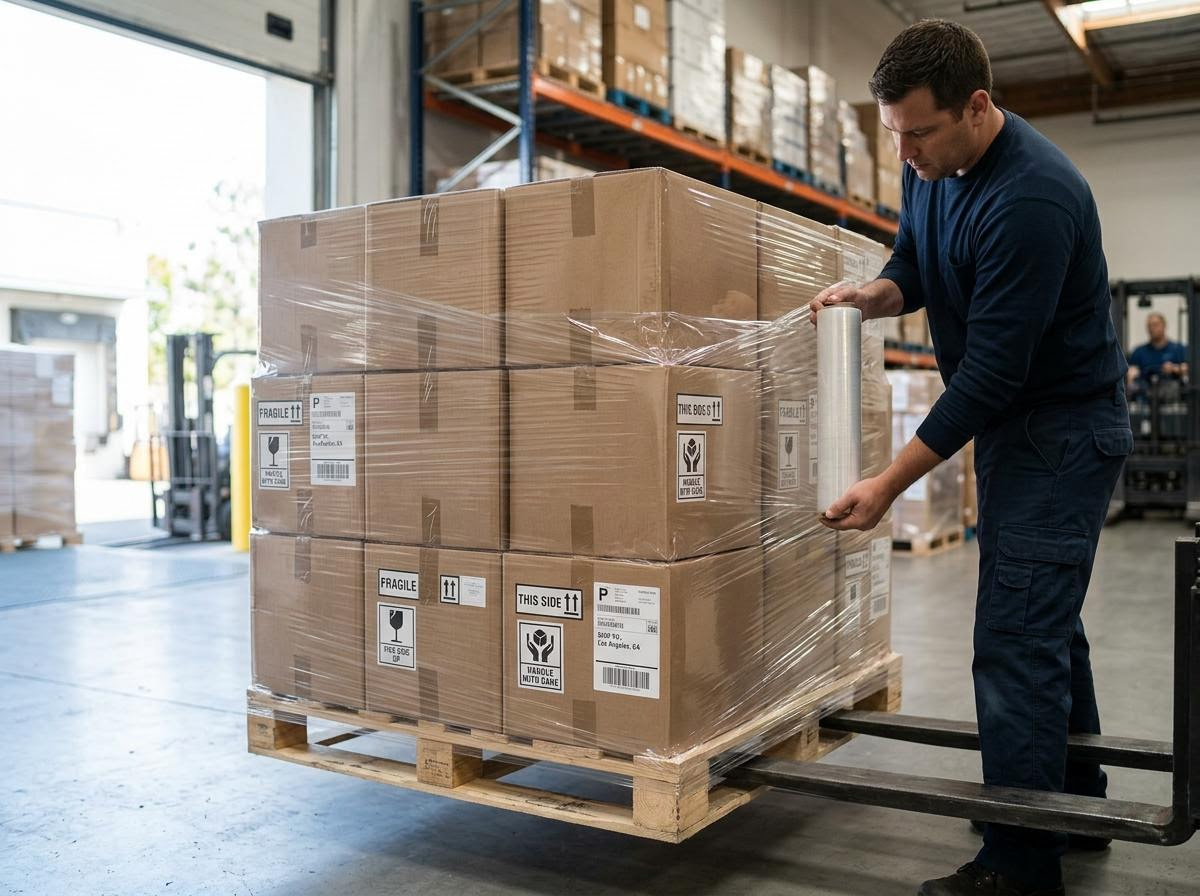
The first line of defense against freight damage begins long before a truck ever hits the road. Proper packaging and robust palletization are non-negotiable for cross-country shipments. Ensure all items are securely packed in durable, appropriate containers, utilizing ample cushioning and void fill to prevent movement within the package. For palletized shipments, choose high-quality pallets that can withstand the weight and rigors of transport. Items should be uniformly stacked, shrink-wrapped tightly, and banded to the pallet to create a stable, cohesive unit. Clear, accurate labeling that includes handling instructions, such as "Fragile" or "This Side Up," further aids in careful handling throughout the journey.
Strategic Loading and Securing Techniques
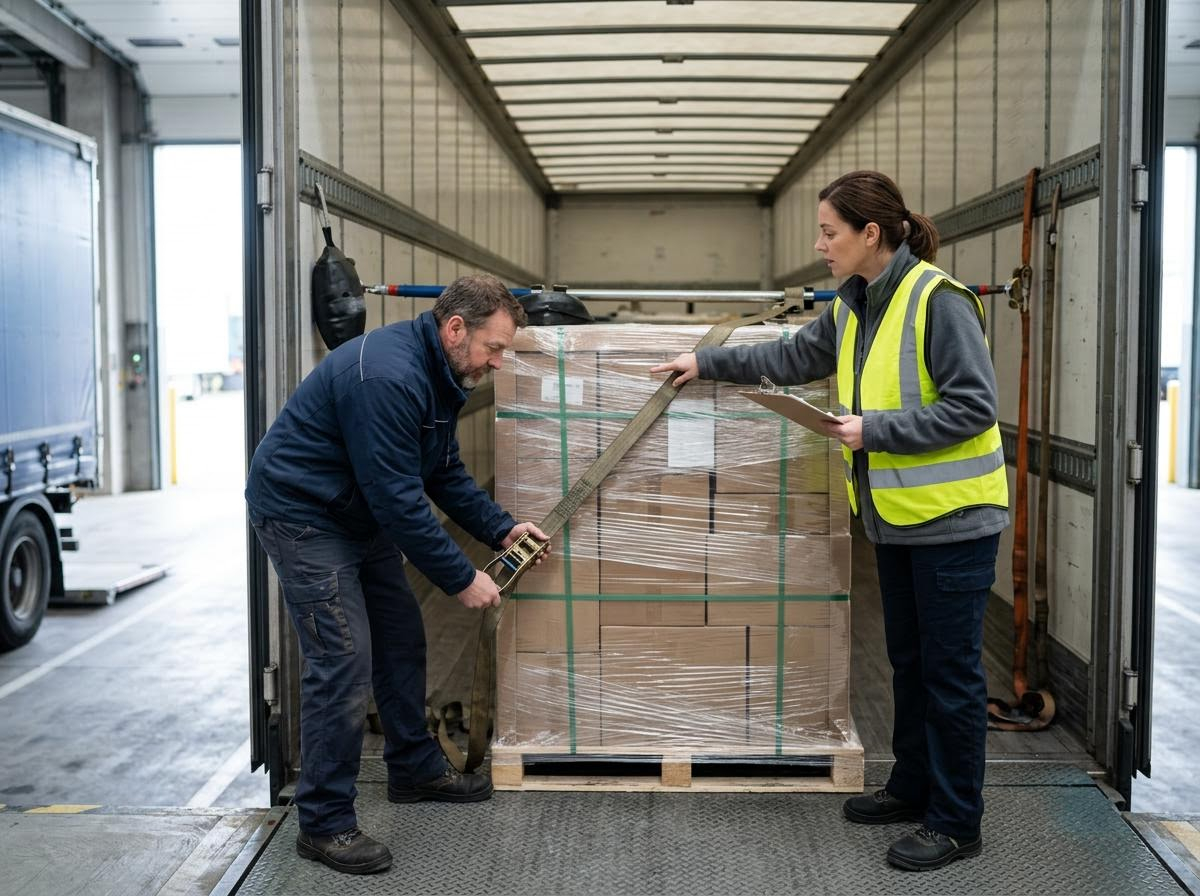
Once freight is packaged, its placement and security within the trailer are paramount. Effective loading strategies involve distributing weight evenly across the truck's axles to maintain balance and prevent shifting. Furthermore, utilize appropriate dunnage, air bags, load bars, and straps to firmly secure the freight against the walls and floor of the trailer. This prevents items from sliding, toppling, or colliding with other shipments during braking, acceleration, or turns. Overhanging items or unstable stacks are recipes for disaster on long hauls, so meticulous attention to these details is crucial for a damage-free delivery.
Minimizing Touchpoints with Direct Transit
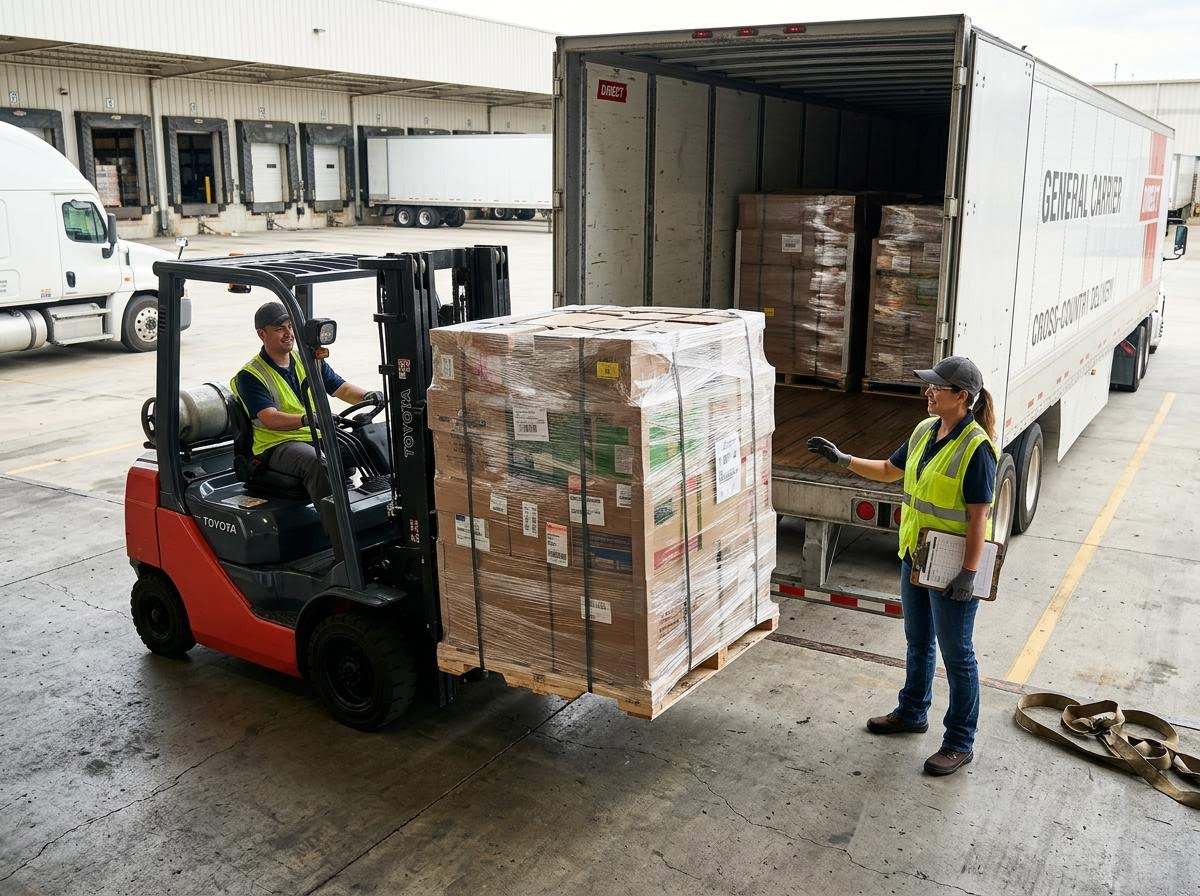
Perhaps one of the most significant factors in preventing freight damage, especially on cross-country routes, is reducing the number of times your shipment is handled. Every time freight is unloaded, sorted, and reloaded at a consolidation hub, it faces an increased risk of impact, drops, or improper handling. Opting for direct transit models, where freight moves from origin to destination without "break bulk" consolidation, drastically minimizes these touchpoints. This strategy not only expedites delivery but also dramatically reduces the opportunities for damage, ensuring goods remain in the same secure setup from pick-up to final delivery.
The Road Ahead for Secure Shipments
Preventing freight damage on cross-country shipments requires a holistic approach, from initial packaging to final delivery. By focusing on robust preparation, meticulous loading, and most critically, minimizing handling through direct transit, businesses can significantly protect their valuable merchandise. Understanding these core principles is key to securing your supply chain. To learn more about how dedicated, minimal-handling transit solutions can safeguard your cross-country freight, explore our commitment to reliable, damage-free shipping at EDI Express Inc.