
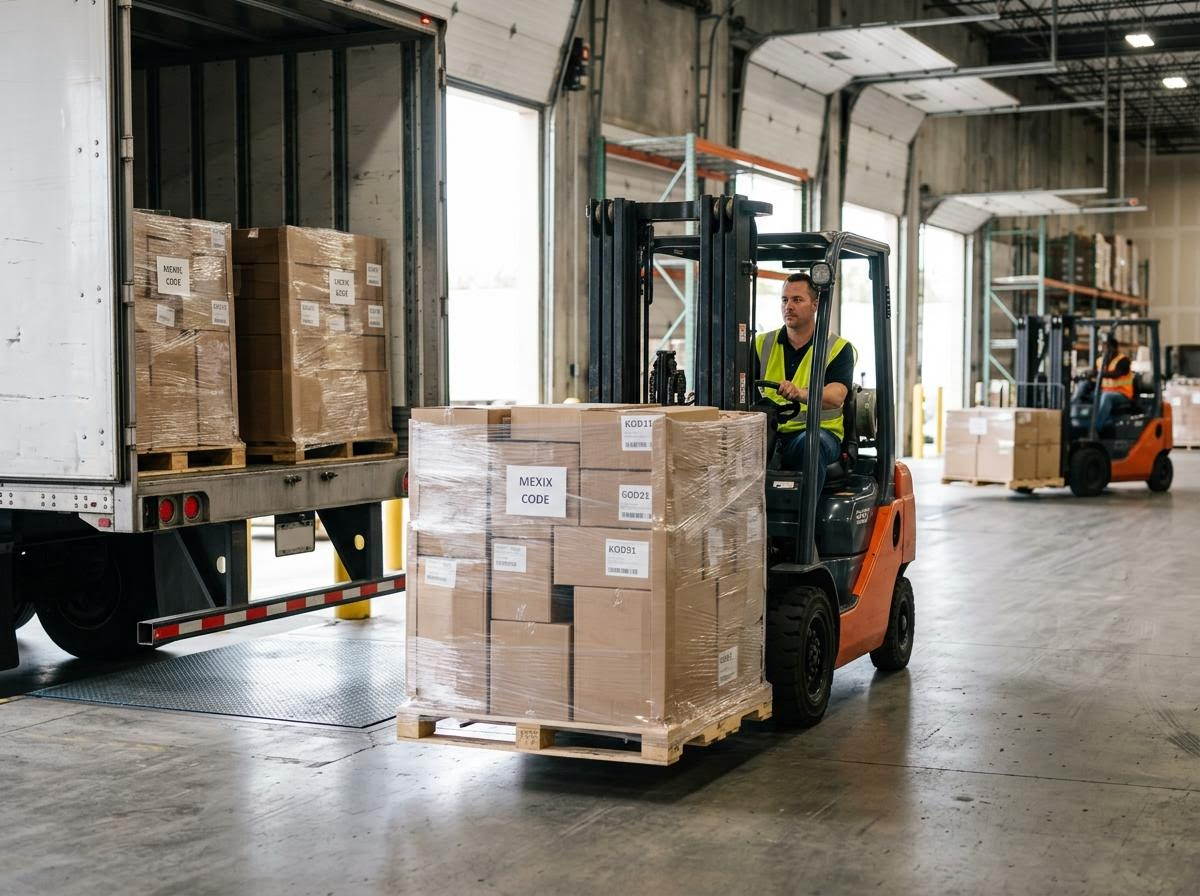
In the fast-paced world of Less-Than-Truckload (LTL) freight, efficiency, speed, and reliability are paramount for businesses looking to keep their supply chains moving smoothly. While many metrics track various aspects of shipping, one often overlooked but profoundly critical factor is "least touch." This philosophy, central to operations at EDI Express Inc., emphasizes minimizing the number of times a shipment is handled from origin to destination, directly correlating with enhanced safety, speed, and customer satisfaction.
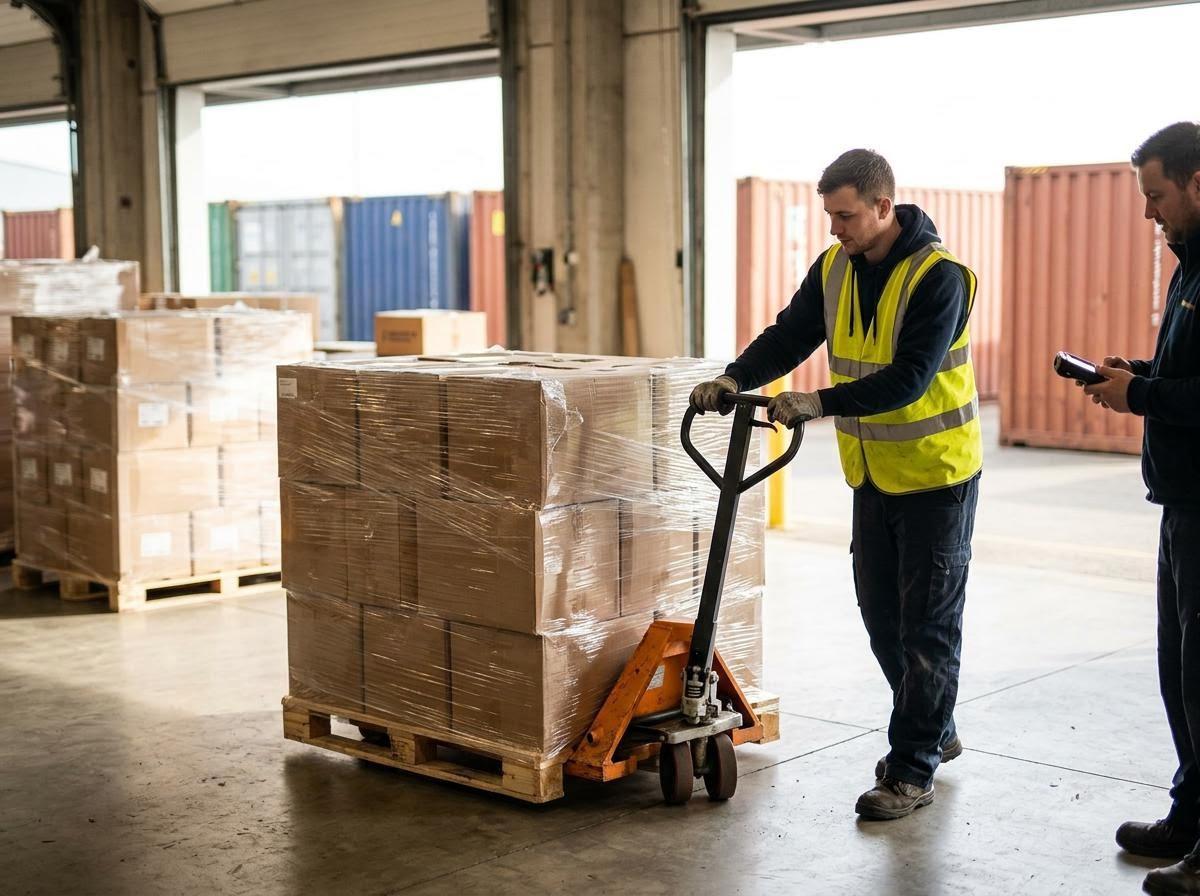
Understanding the 'Touch' in LTL Freight
Every time an LTL shipment is loaded, unloaded, sorted, transferred between trailers, or moved within a terminal, it constitutes a "touch." In traditional LTL models, freight often passes through multiple consolidation hubs, also known as "break-bulk" facilities, where it is offloaded from one truck, sorted, and then reloaded onto another. While this system aims to consolidate shipments efficiently, each touch point introduces potential risks: increased chances of damage, misrouting, delays, and theft. For businesses, more touches can translate directly into higher costs, longer transit times, and frustration.
The Direct Impact of Reduced Touches
Minimizing touch points is a fundamental strategy for achieving superior freight forwarding outcomes. When a shipment experiences fewer handling instances, the probability of it being dropped, damaged, or lost significantly decreases. This direct approach not only safeguards valuable merchandise but also dramatically improves transit times. Fewer stops and less sorting mean a more direct route from pickup to delivery, ensuring goods arrive faster and more predictably. This efficiency is critical for businesses operating with tight schedules and just-in-time inventory management.
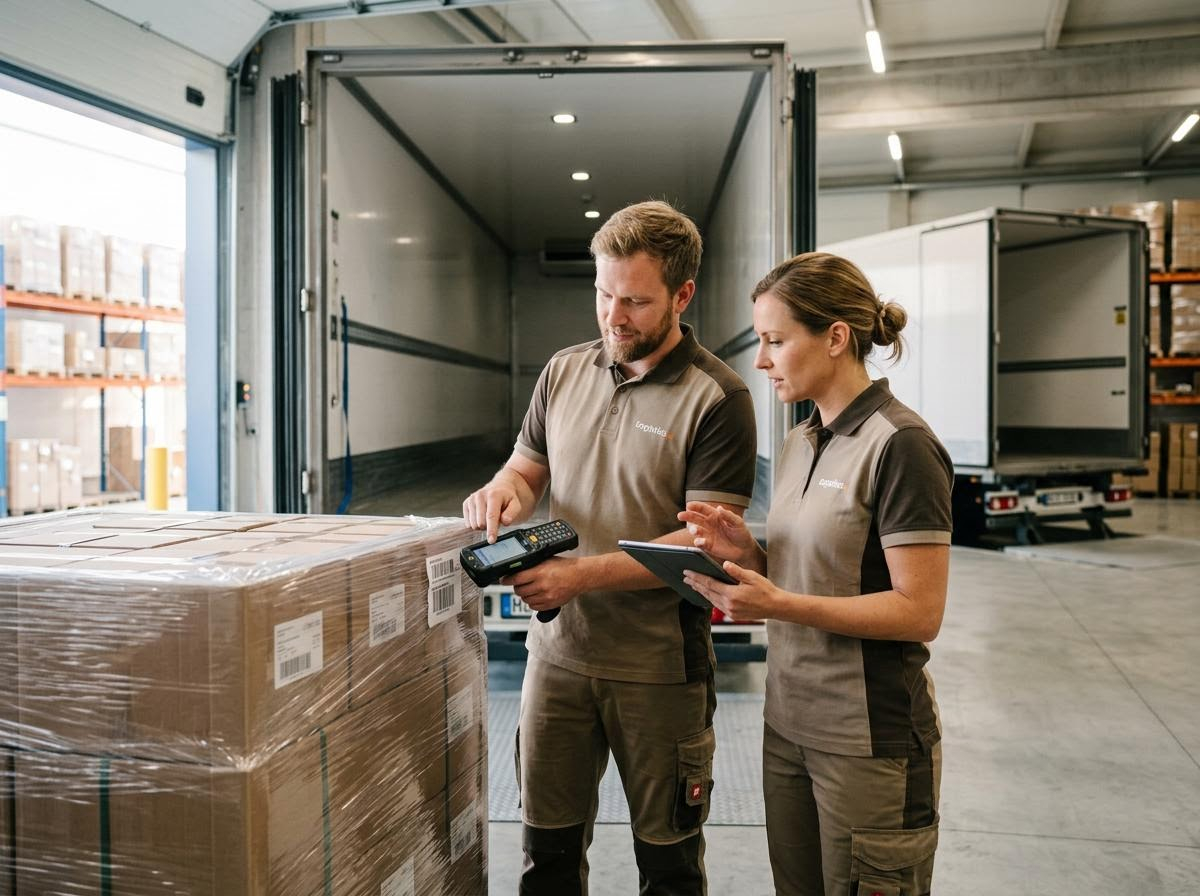
How Minimal Handling Achieves Superior Results
Achieving a "least touch" system requires a dedicated operational approach. One of the most effective methods involves utilizing direct routes that bypass traditional consolidation hubs. By keeping freight on a single trailer for the majority, if not the entirety, of its journey, the need for multiple loading and unloading cycles is eliminated. This strategy is often enhanced by employing dedicated teams, such as two-person sleeper teams, who can maintain continuous movement across long distances. This commitment to minimal handling ensures that each shipment travels securely and swiftly, arriving intact and on schedule, without the typical industry upcharges associated with such premium service.
The 'least touch' philosophy is not just a buzzword; it's a critical operational metric that directly impacts the integrity, speed, and reliability of LTL freight services. By prioritizing minimal handling through direct routes and efficient logistics, businesses can significantly reduce the risks of damage and delays, ensuring their goods reach their destination quickly and safely. To discover more about how a focused approach to minimal handling can benefit your specific shipping needs, explore solutions that prioritize your cargo's journey.